
About Marian Sodalities
What is a Marian Sodality?

A Marian Sodality is a community of lay Catholics directed by a Jesuit, filled with holy restlessness, formed by the Spiritual Exercises, centered on Christ and consecrated to Mary, that commits itself to devout prayer, continual formation, and magnanimous service to neighbor. Marian Sodalities are rooted in the Jesuit tradition dating back to the prima primaria, the first community founded at the Roman College in 1563. The full name, ‘Sodality of Our Lady’, is also known as a ‘Marian Congregation’, and is a particular kind of ‘association of the faithful’ in the Church.
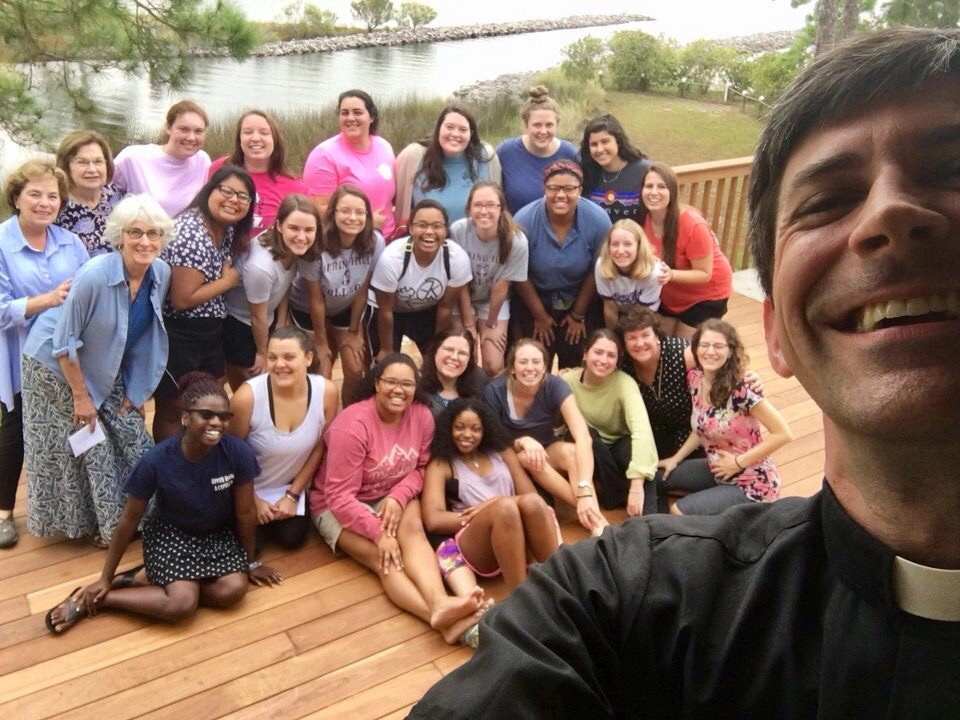
The Five Marks of a Sodality

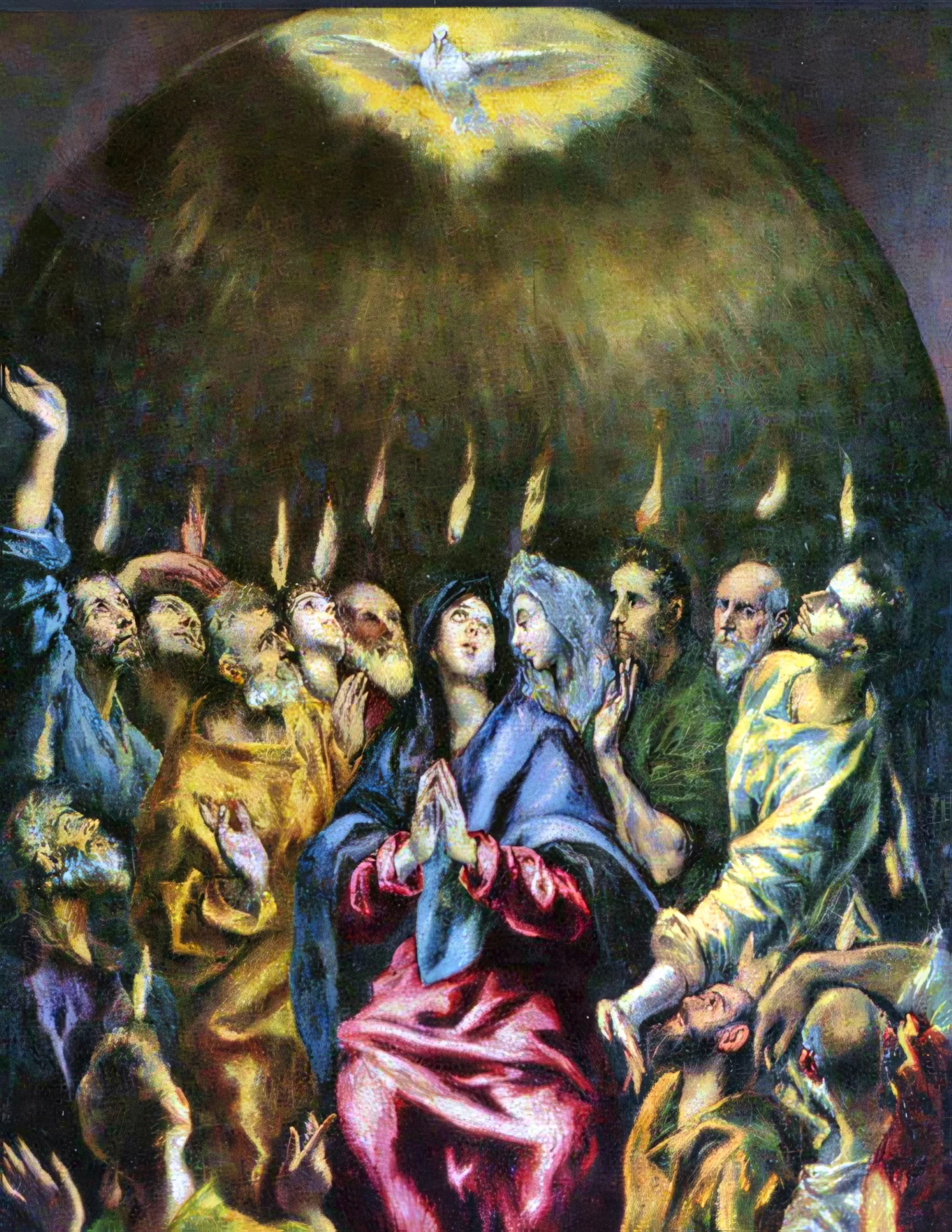
The five main characteristics or ‘marks’ of the Sodality are:
- Ecclesial-communal
- Christocentric
- Marian
- Formative
- Magnanimous
These five marks are not separate ‘pillars’ of an edifice, but rather interpenetrate each other, mutually informing and strengthening one another, as one complex alloy from which the whole building is made.
For example, being centered on Christ makes one more magnanimous, and by drawing closer to Mary one draws closer into communion in the Church.
Individual Sodality communities become living stones, strengthening the spiritual house of God (1Pet. 2:5), the place in the world where God dwells more fully, incarnating the kingdom of God on earth.
Yet the Sodality has always been outwardly focused, seeking to be a source of renewal in the Church and an instrument for the salvation of souls in the world.
The Organizational Structure of a Sodality
The director of a Sodality must be a Jesuit priest. Alongside the director there can be one or more moderators, lay or religious, who assist in the running of the Sodality. The Common rules govern the organization of the Sodality.
Among the members of the Sodality, there is a leadership structure consisting of:
- Prefect: the leader and right hand of the director
- Assistant Prefect: supports the Prefect in his duties
- Secretary: keeps the meeting minutes and all of the documents pertaining to the Sodality
- Treasurer: keeps the funds and collects the fees
- Instructor of Candidates: in charge of preparing the candidates for consecration
- Other minor officers and consultors according to the needs of each Sodality. These officers are appointed by the director, but he can solicit the voice of the Sodality members and consult with the moderators.
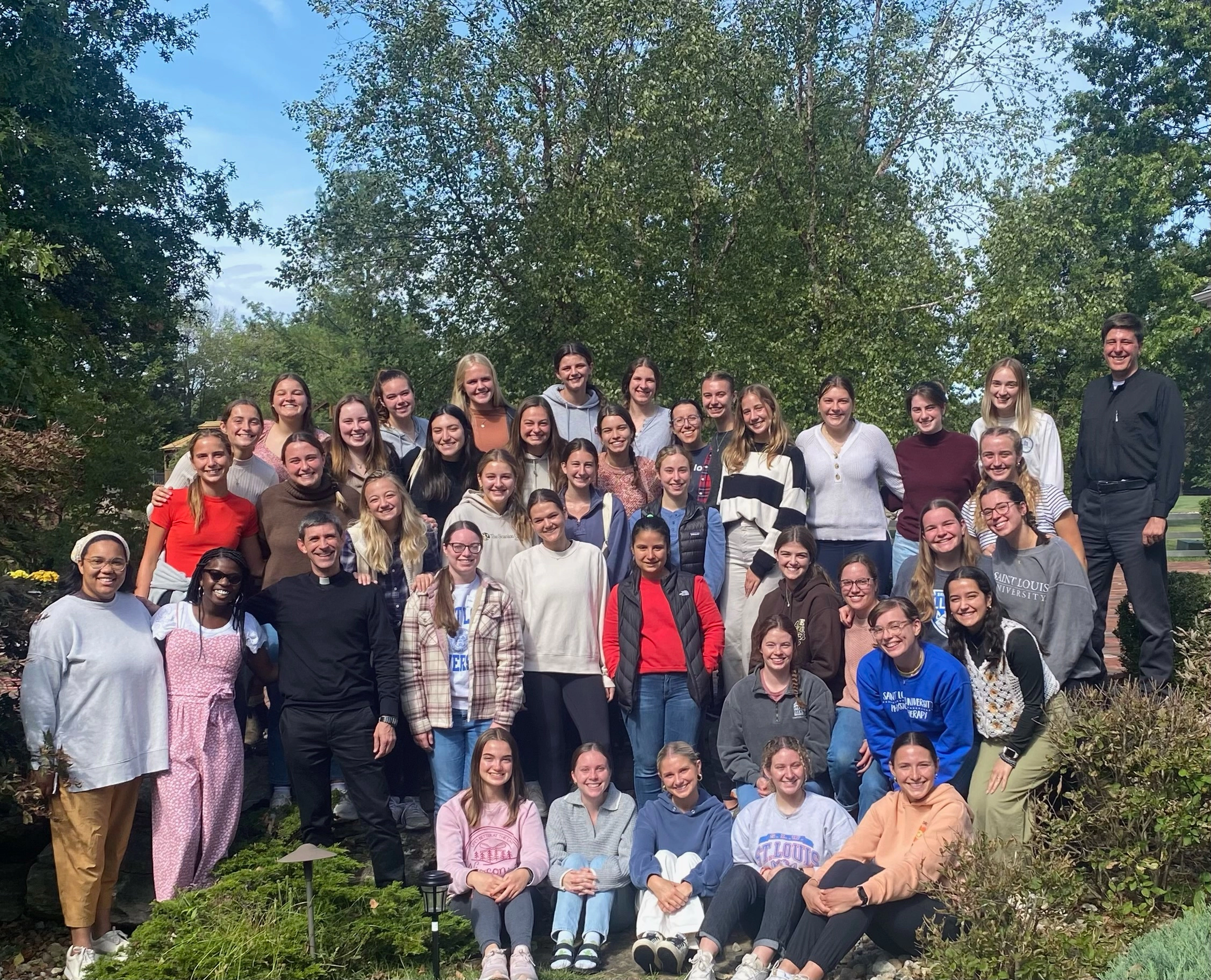
Levels of Membership
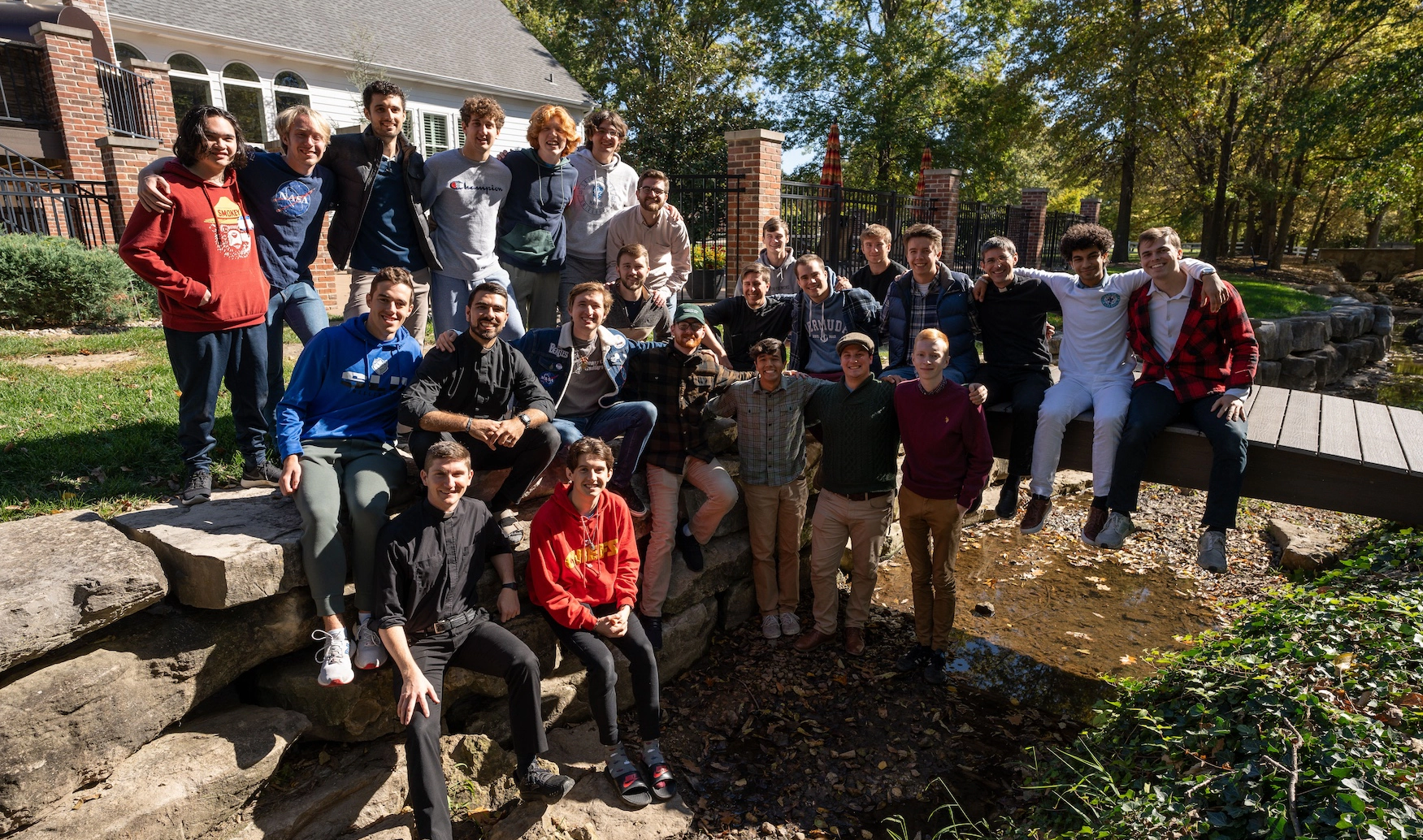
ASSOCIATES (Postulants)
All those interested in coming to know the Sodality are warmly welcome to attend her events. Some persons may desire to maintain a relationship with the Sodality but have discerned that they are not called to make the commitments involved in full membership. The Sodality welcomes these persons as associates and encourages them to continue their association for as long as they desire.
CANDIDATES (Aspirants)
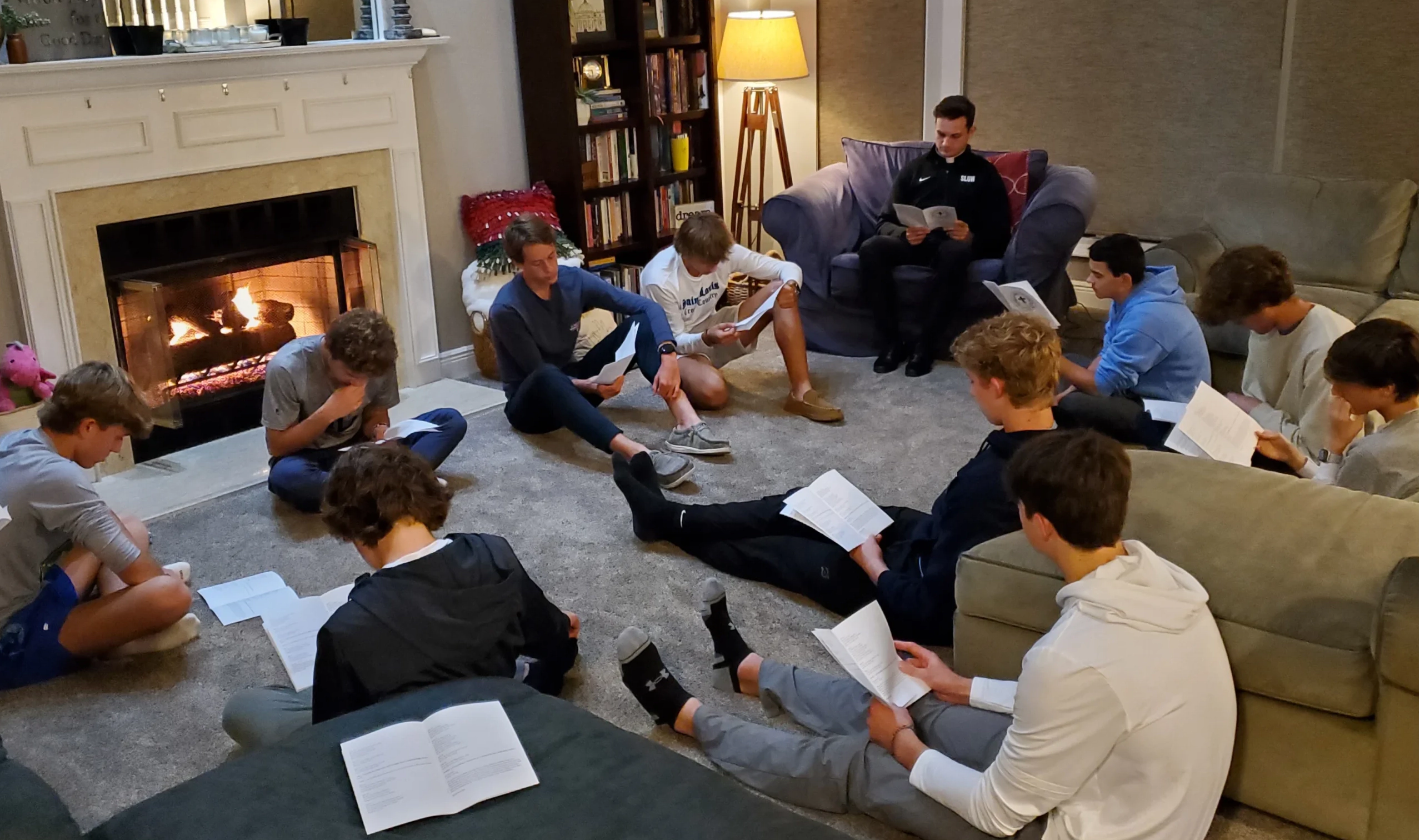
Formal admission to the Sodality is preceded by a period of candidacy, during which time those interested in becoming members begin living the commitments without yet being bound to observe them. The period of candidacy lasts from 6 months to several years, at the end of which candidates who wish to enter the Sodality prepare a letter addressed to the Director petitioning admission and explaining the spiritual discernment that moves them to do so. Because a time of greater recollection can help to clarify this discernment, candidates are especially encouraged to attend a retreat during this period.
SODALISTS (Congregants)
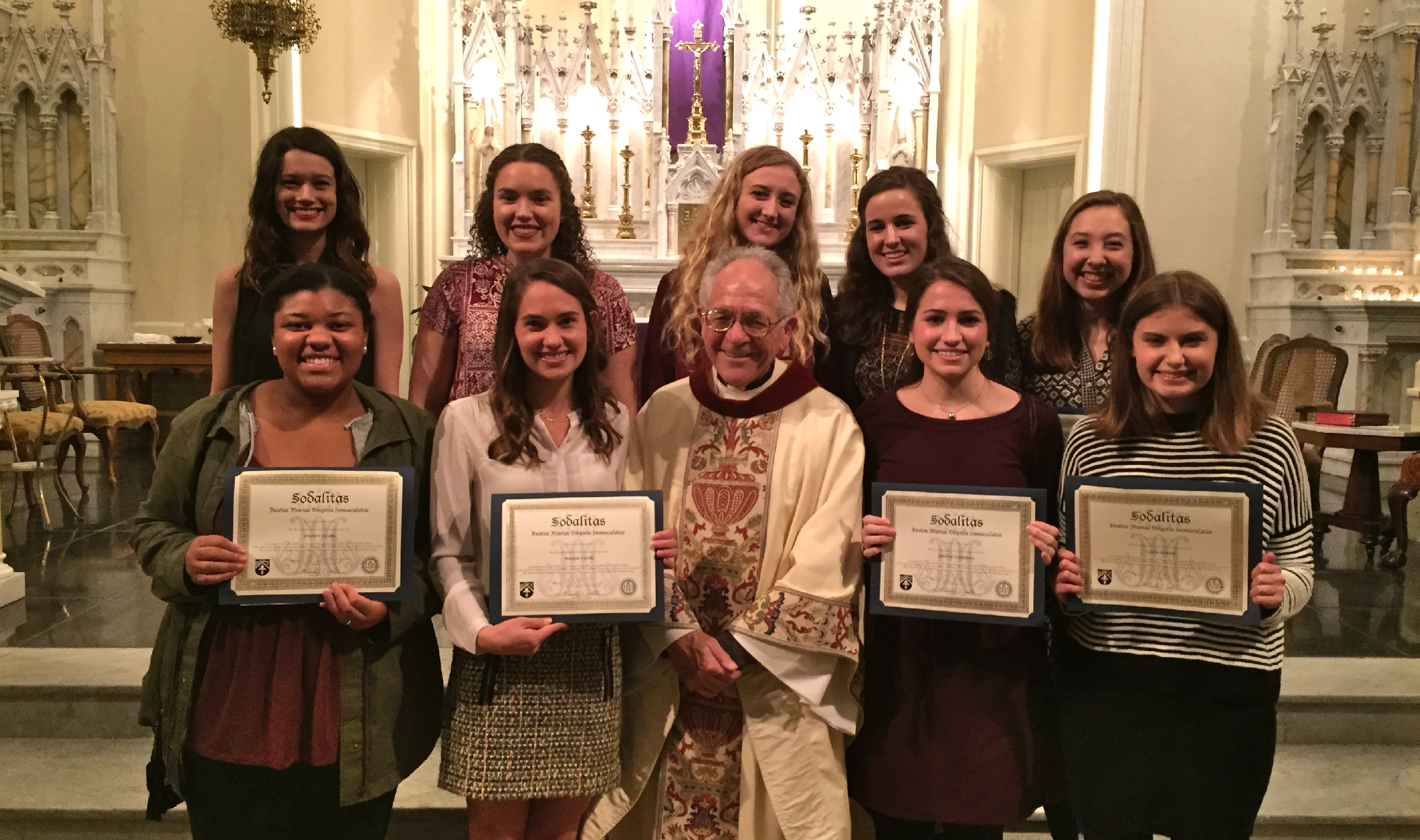
Candidates become full members of the Sodality (known as “sodalists”, from the Latin “sodales”) after making their Act of Consecration during a special Mass of Commitment which is ordinarily celebrated on December 8, the patronal Feast of the Immaculate Conception. From that time on, the Sodalist is consecrated to Mary, enjoys all of the privileges attached to being in a Marian Sodality, and is committed to observe the rule of life of the Sodality.
Sodality Commitments
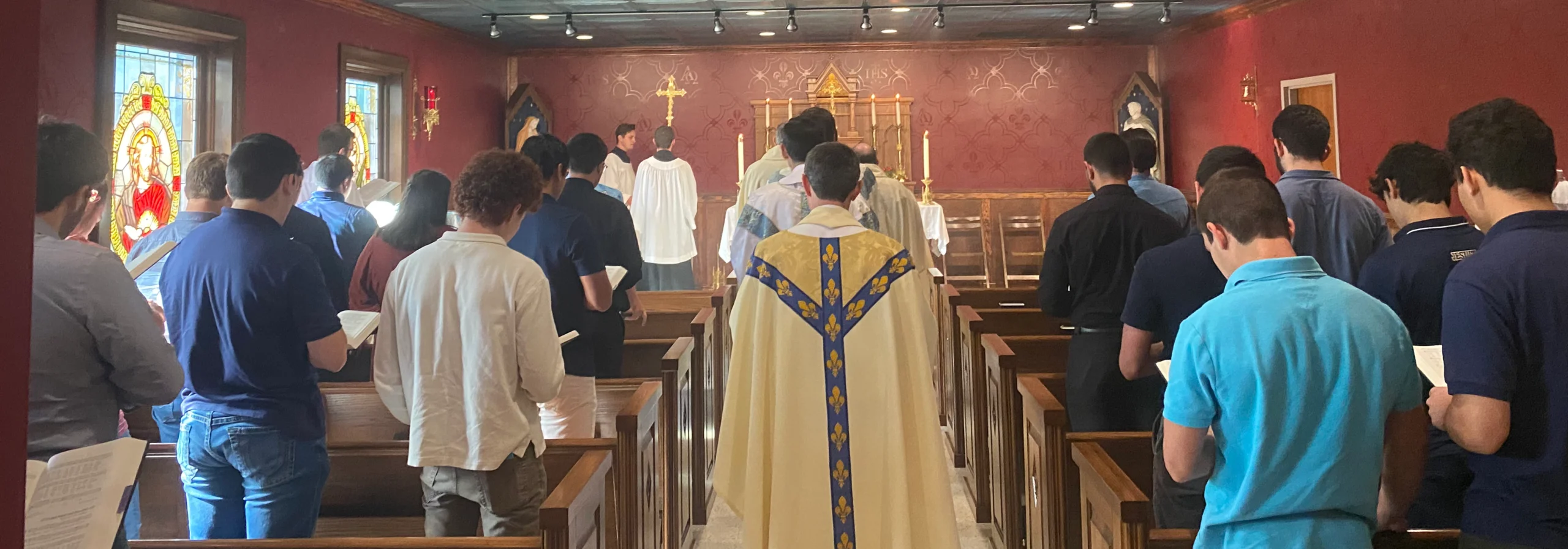
- Daily prayer in the morning and evening, in particular the Morning Offering and the Examen
- Weekly meetings and one weekly Mass in addition to Sundays
- Monthly confession and monthly service
- Annual retreat
Each Sodality adapts these basic commitments to the circumstances of their members.
Sodality Apostolates
The very first Sodality at the Roman College took as their apostolic work the care of the sick. From that time on, Sodalities have made the corporal works of mercy their primary service in the Church. For example, Sodalities would collect money from wealthy families and distribute it to the homeless. During epidemics in cities, Sodalists would help in the hospitals. Yet, the zeal for souls has also burned brightly in the young hearts to consecrated themselves to the Blessed Virgin Mary.
Evangelization, catechesis, and the conversion of sinners have been secondary apostolates. In Rome the Sodalities were known to set up confessionals along the edge of a large piazza and then have Sodalists go ‘fishing’ in the piazza, encouraging people to go to confession. During carnival in Rome the Sodality of Nobles spent a large amount of money creating an elaborate stage, complete with lighting and pyrotechnics, in order to draw people away from the drunken reverlies.
In the nineteenth and twentieth centuries the university student Sodalities were very involved in the intellectual movements in defense of the Church.
A Brief History
The Sodality (from the Latin “sodalitas” meaning “association”) began in Rome at the central College of the Society of Jesus in 1563 shortly after the founding of the Order.
A young Jesuit priest teaching in the College, Fr. Jean Leunis SJ, gathered together a group of students for regular prayer and other formative activities inspired by the Spiritual Exercises of St. Ignatius. The model established by Leunis became the foundation for a successful movement which continued to grow and develop within the Roman College and quickly spread to the other Colleges of the Society.
The apostolic value of this movement was soon confirmed by Pope Gregory XIII who, in the letter Omnipotentis Dei published on December 5, 1584, officially approved the Sodality and called for its further dissemination and development by the Jesuits. Three years later his successor, Pope Sixtus V, gave the Sodality an even broader reach, enabling the Jesuits to extend membership to adults not enrolled in the Colleges.
From that time onward, Sodalities have spread throughout the world, first at the Jesuit colleges and universities, and then to adults in towns and cities. They have been incredibly fruitful for the spiritual formation of their members and their apostolic service in the Church.
There have been many saints who were devout members of the Sodality of Our Lady, including: St. Stanislaus Kostka, SJ, St. John Berchmans, SJ, St. Aloysius Gonzaga, SJ, St. Francis de Sales, St. Fidelis of Sigmaringen, St. Peter Fourier, St. John Baptist de Rossi, St. John Eudes.
For more on the origin of the Confraternities in the Church, and the Sodality of Our Lady, see this Catholic Encyclopedia article.
Take the Next Step
Sodalities are meant to be lived in community. See if there’s a sodality near you and take the next step.